

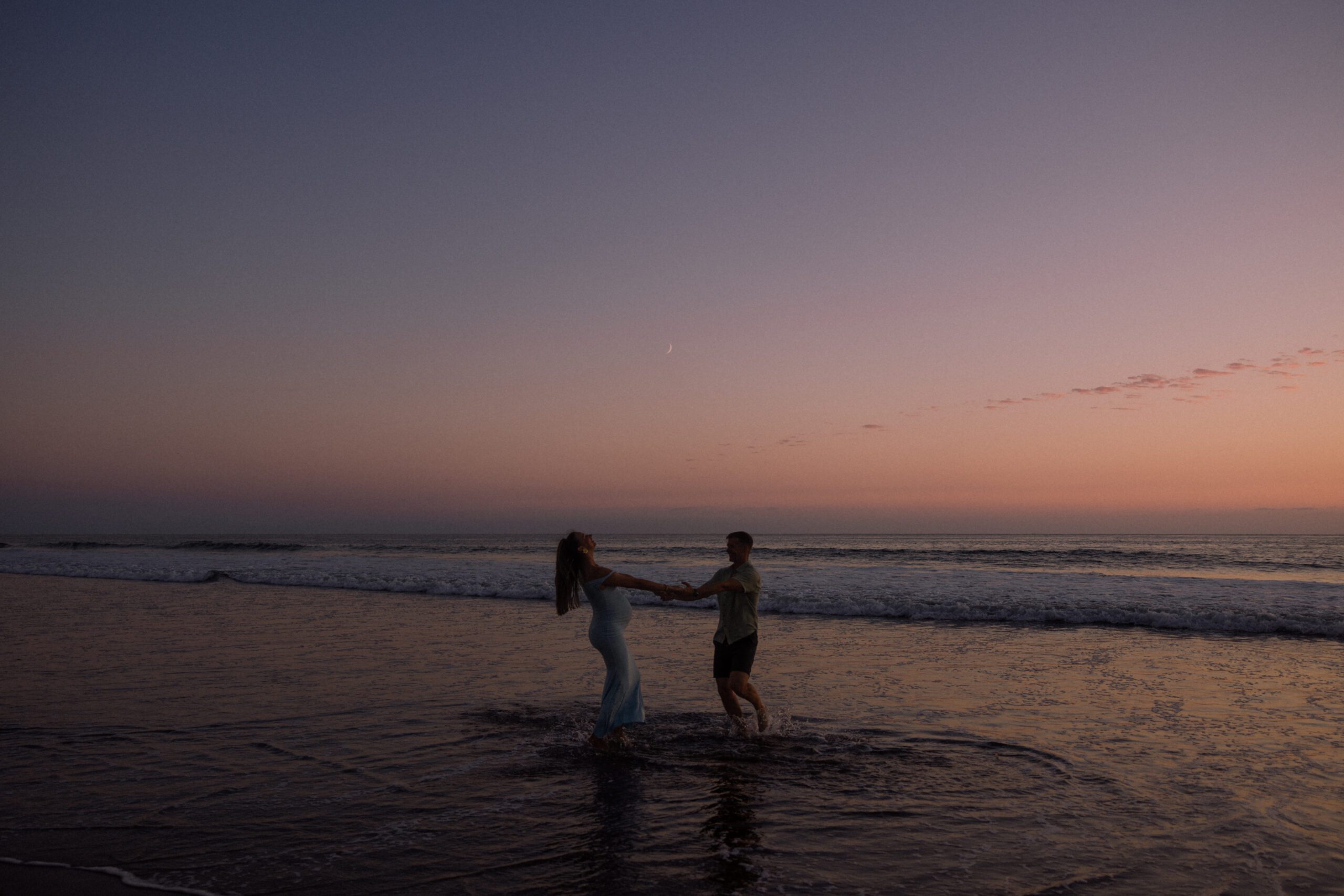
In the age of scroll-stopping imagery, cinematic posing for photographers has become one of the most powerful skills a you can develop. It’s more than telling someone where to put their hands or which way to tilt their chin—it’s the art of shaping a moment so it feels intentional, emotional, and story-driven. When done well, cinematic posing helps your images feel alive, as though they’re still frames from a film.
But achieving that cinematic quality isn’t only about directing your subjects. It starts long before you pick up the camera; with the vision, story, and priorities behind the session. With cinematic posing for photographers, we are going to walk through how to think about posing cinematically, how to draw genuine emotion from your subjects, and the key questions that guide every successful shoot.

Start With the Story You Want to Tell
Every cinematic photograph begins with a narrative. Before worrying about poses, ask yourself, “What story are we wanting to tell?
Are we capturing:
- a nostalgic, slow-paced romance?
- a bold, high-energy adventure?
- a quiet, intimate connection?
- a sentimental, family outing?
Once you know the emotional tone, posing becomes much more intuitive. Instead of random instructions, your prompts can be tailored to support the story. Cinematic posing is storytelling in motion!
Decide on Goals for the Session
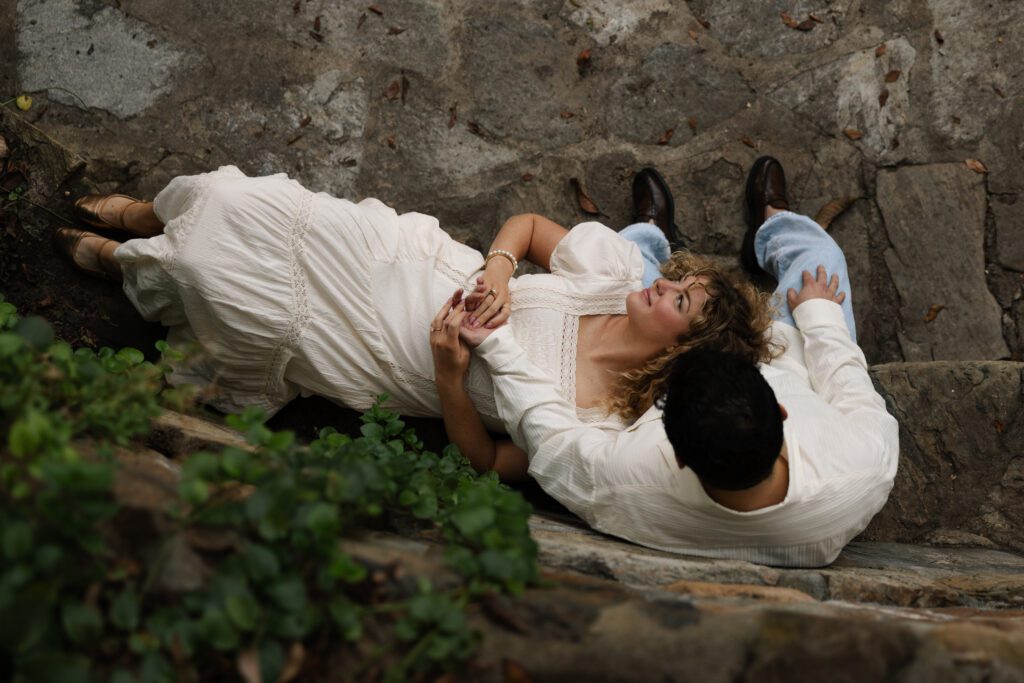
The best posing direction happens when you understand what matters most to your clients. Some clients want emotion. Some want flattering angles. Some want movement and some want editorial.
When you know their priorities, you know where to place your energy:
- If they value connection, focus on interactive prompts.
- If they value beauty and confidence, guide them into strong shapes and flattering light.
- If they value creativity, bring in unconventional poses, framings, and lots of motion.

Understand What They’re Drawn To in Your Work
This is one of the most revealing questions you can ask: “What about my work are you drawn to?”
- how they imagine themselves being photographed
- what mood they expect
- what posing style resonates with them
- how far you can push creativity
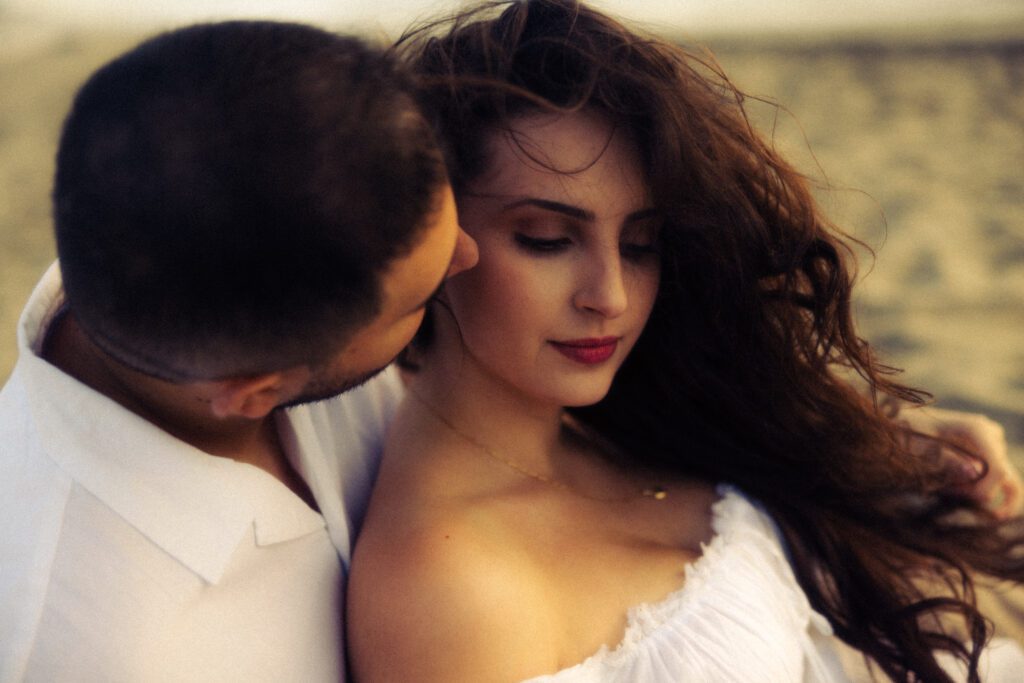
Knowing this helps lay the groundwork for a successful session. If they love your dramatic backlit silhouettes, you know you can go bolder with shapes. If they love your soft, candid moments, keep posing minimal and focus on prompting. If they love your cinematic close-ups, plan for stillness, detail, and emotion. This helps you guide the posing style without making it a guessing game.
Bring the Vision Into Focus
In order to create a cinematic session, there needs to be intention behind it, bringing your vision helps set you up for success during your session. You and your client don’t need a shot-by-shot plan, but you do need:
- a mood
- a color palette
- a pacing (slow and emotional? energetic?)
- a sense of character
Once you have clarity, it becomes easy to decide whether a pose should be:
- structured or improvisational
- soft or strong
- still or dynamic
The vision becomes the anchor for every stylistic choice.

Cinematic Posing Techniques to Elevate Your Work
Once the story and strategy are clear, you can start layering in cinematic techniques:
1. Intentional Storytelling
Direct in a way that evokes emotions or sensory cues – people move more naturally when they’re clearly directed.

2. Framing & Angles
Cinematic posing is often made up of:
- Creating a narrative
- Establishing perspective
- Highlighting details
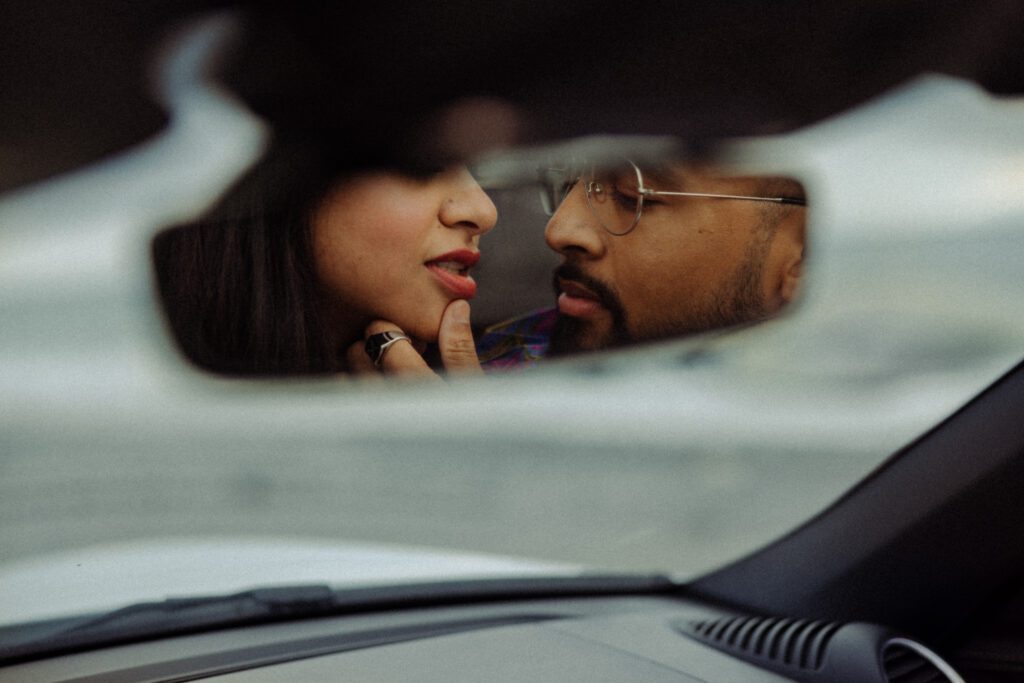
To truly elevate your storytelling, make sure to vary your perspective.
3. Capture the Transition, Not Just the Pose
True cinematic energy is in the “in-between”: the hair toss, the shift of direction, the moment after they exhale. Prompt intentional movement and shoot through the motion.
Cinematic posing is about creating a world your subjects can step into. When the story, priorities, and vision align, posing flows effortlessly.
Whether you’re photographing couples, individuals, or editorial work, asking the right questions before the shoot transforms how your clients show up—and how your images feel.

Ready to Go Deeper?
If you want a detailed breakdown of posing prompts, emotional direction, cinematic composition techniques, movement cues, and full session workflows, check out my extended guide:
Explore the full in-depth guide to cinematic posing here.

