

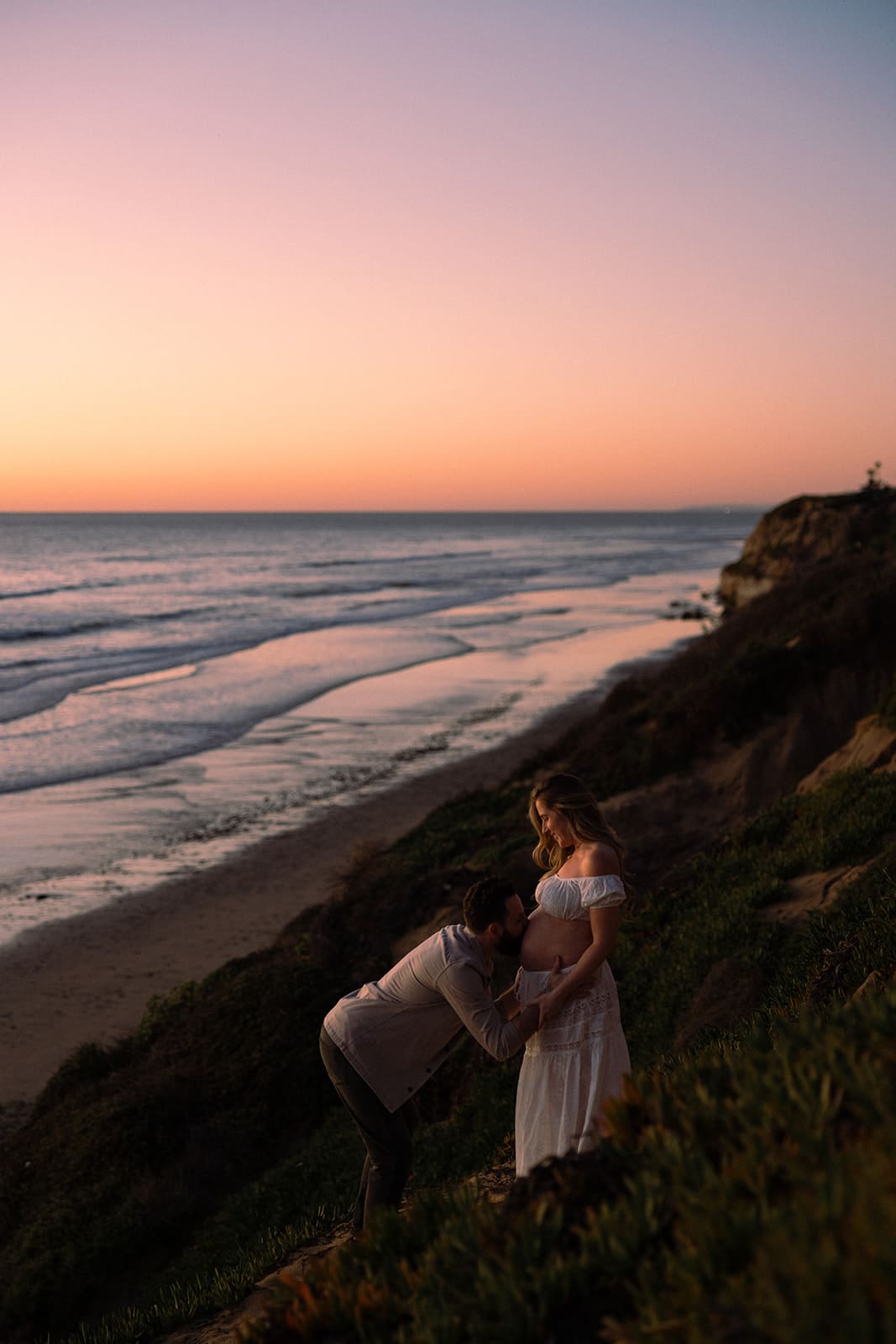
Great photography often begins before the camera ever comes out of the bag. While online research can point you in the right direction, nothing replaces being physically present in a location. Scouting in person allows you to notice details, anticipate challenges, and discover opportunities you simply can’t see on a screen. These kinds of hands-on observations are at the heart of strong location scouting tips for photographers.
When you arrive at a location, the first thing to pay attention to is the light. Light is constantly changing, and how it interacts with the environment will shape your entire image. Notice where the sun is positioned and how it moves through the space. Look at the direction of shadows, how harsh or soft they appear, and whether there are natural reflectors like walls or pavement bouncing light back onto your subject. Even subtle shifts in light can dramatically change the mood of a photo, so taking time to observe it is essential.

As you move through the space, start looking closely at backgrounds. A strong background should support your subject, not compete with it. Pay attention to what’s behind where your subject might stand and how busy or clean that area feels. You may find that one direction is cluttered with distractions, while turning just a few steps creates a much simpler, more visually pleasing frame. Depth is another important element; look for ways to include foreground and background layers to give your images more dimension. This is one of the most practical location scouting tips for photographers that can be applied immediately.

Textures and surfaces are another detail that often gets overlooked until you’re physically there. Brick walls, tall grass, concrete, water, or even worn paint can add character and interest to your photos. Take a moment to notice how these elements interact with light and whether they fit the mood you’re trying to create. Sometimes the smallest detail; a cracked wall or a patch of wildflowers, can become the most compelling part of your composition.

It’s also important to pay attention to movement within the environment. This includes both natural movement, like wind in trees or water, and human activity, such as foot traffic or passing cars. These elements can either enhance your image or become a distraction, depending on how you use them. Watching the rhythm of a location for a few minutes can help you decide when and where to shoot.
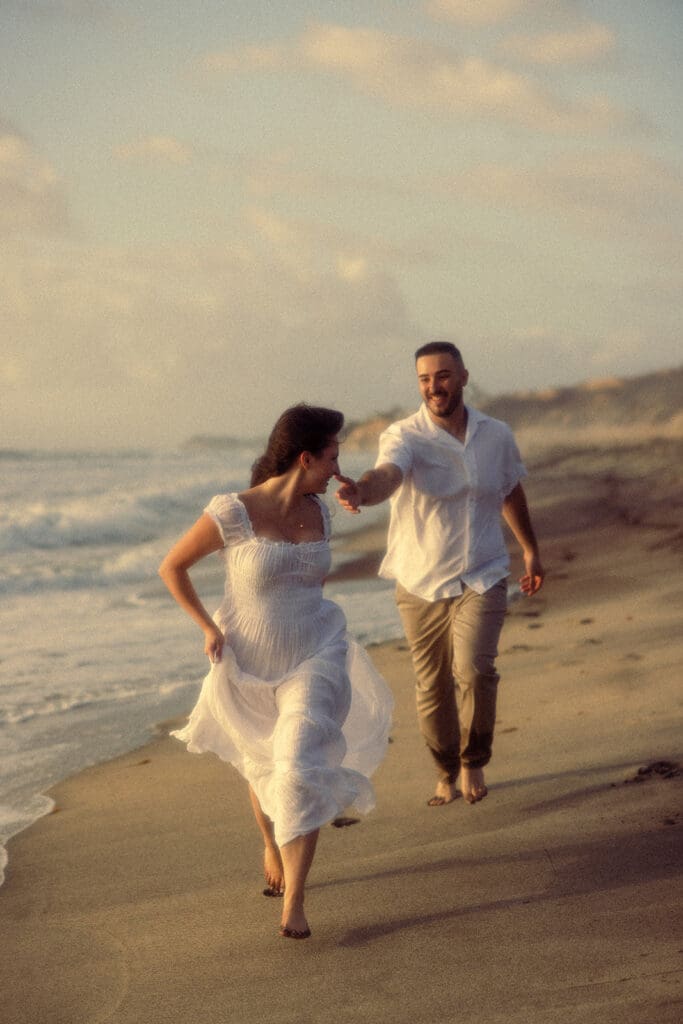
Sound and atmosphere might not seem like obvious factors in photography, but they can influence the experience of your shoot. A loud, crowded area may make it difficult to communicate with a subject or maintain focus, while a quiet, calm space can create a more relaxed environment. These subtle factors can affect both your workflow and the final result.
Practical considerations become much clearer when you’re there in person. Notice how easy it is to access the location, where you might set down your gear, and whether there are any safety concerns. Uneven ground, limited space, or unexpected obstacles can all impact how you shoot. It’s also important to research whether a permit is required to photograph in that space, especially for commercial work or when using professional equipment. Securing the proper permits ahead of time is essential and helps you avoid interruptions, fines, or being asked to leave during your shoot. Thinking through these details ahead of time helps avoid unnecessary stress later.

While you’re scouting, take a few test shots. This isn’t about getting the perfect image, it’s about understanding the space. Try shooting high and low, close up and far away, and from multiple directions. These quick tests can reveal what works best and help you visualize how a final shoot might come together. Practicing this regularly is one of the most effective location scouting tips for photographers who are looking to improve consistency.
It’s also helpful to look for versatility within a single location. A great spot often offers multiple looks within a small area. You might find a clean wall on one side, textured elements on another, and open space just a few steps away. The more variety you can get from one place, the more efficient and creative your shoot can be.


Finally, trust your instincts. Sometimes a location just feels right. Maybe it’s the way the light hits a certain corner or how all the elements come together naturally. Those intuitive moments are often where the best images come from, so don’t ignore them.
Scouting in person is about slowing down and truly observing your environment. The more attention you give to light, background, texture, and movement, the more prepared you’ll be when it’s time to shoot. Instead of reacting to a location, you’ll be working with it; and that’s when your photography really starts to stand out.
For for photography education content, check out more educational content here.

